
Fashion, Without Looking Away
Amanda Butterworth, Country Coordinator for Fashion Revolution New Zealand
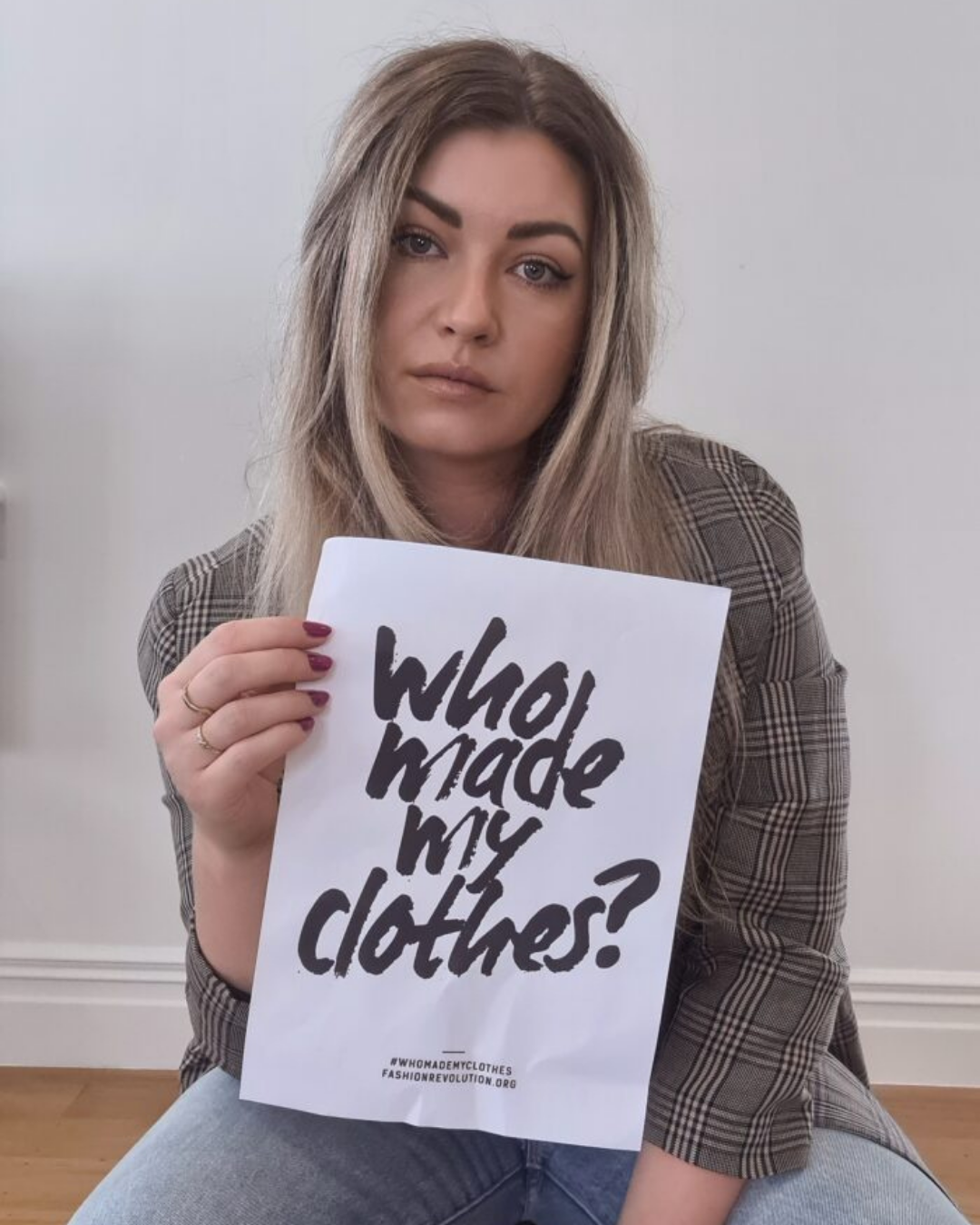
Fashion can feel like an unlikely place for activism. Amanda Butterworth, Country Coordinator for Fashion Revolution New Zealand, would disagree.
Every person who buys, wears, or discards a garment is participating in the fashion industry, whether they intend to or not.
We spoke with Amanda about transparency, collective action, and what it means to engage with fashion more consciously. For emerging designers, for consumers, and for the industry at large.
Fashion can feel like an unlikely place for activism. Why does it matter, and why here?
There’s a perception that fashion is just for those “in the know”, but the reality is that every single person participates in the fashion industry whether they intend to or not. The way we participate can have consequences such as environmental impacts and human rights violations. It might feel like we are isolated down here at the bottom of the planet, but we are actually all participating in a globalised fashion industry and the choices we make here can have an impact both on shore and in far reaching parts of the world.
What do you wish more New Zealand consumers understood about the clothes they buy?
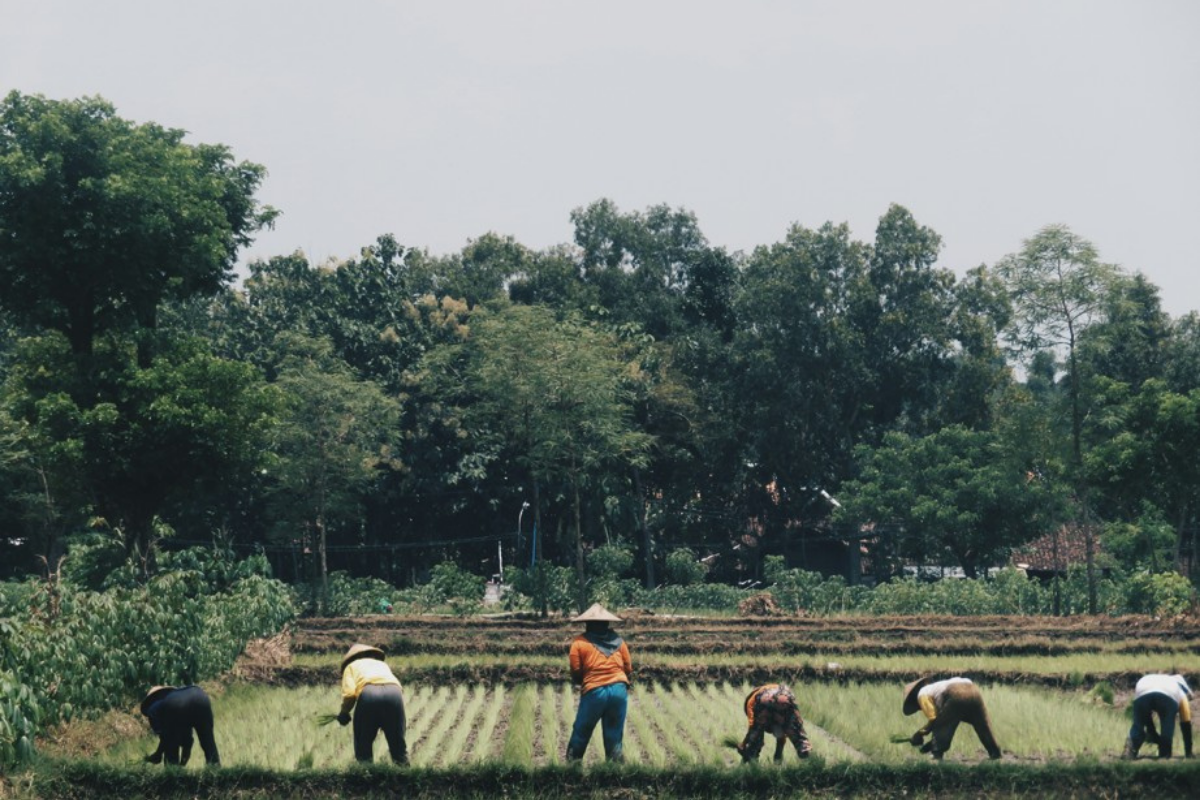
They were touched by many human hands before they reached you. They were grown, picked, woven, dyed, sewn, packed, shipped all before you even clicked “buy”. Secondly, I wish people understood that the majority of the clothes they purchase and wear now are made from oil. It still amazes me how many people don’t realise that polyester is plastic and plastic comes from oil. We’re all wearing oil.
What does a more transparent fashion industry actually look like in practice, and how far away is it?
A more transparent fashion industry would mean that people have a clear understanding of where their clothes come from - who made them and the conditions they worked in, what they are made of, and also what will happen to their clothes once they are done with them. Fashion Revolution has worked hard to build and encourage more transparency in the fashion industry through our advocacy work and the Fashion Transparency Index. We believe that a lack of transparency costs lives and costs the planet. While we have seen improvements in the level of transparency from many brands, some major brands still lack any real transparency and have scored astonishingly low in the FTI. I would encourage people to take a look for themselves - https://www.fashionrevolution.org/fashion-transparency-index/
For emerging designers and fashion students, what does it look like to build a practice that holds both craft and conscience?
For fashion students, I would encourage them to explore the ways they can participate in the fashion industry outside of simply being a designer - through crafts such as zero-waste pattern making which is increasingly in demand. Designers should be thinking about the whole life of the garments they are designing. And they should be thinking about this at the very start of their design process - incorporating it into the ideation stage and innovating through the use of circular materials, designing clothes that participate in regenerative lifecycles, and designing a plan for the end of use of that garment.
Learn more about Fashion Revolution at https://www.fashionrevolution.org/frw-26/