
The home of New Zealand fashion.
NZFW connects emerging and established fashion designers with buyers, media, and consumers on a global scale, offering a world-class, sustainable and inclusive event to champion, nurture, and grow designers in Aotearoa.
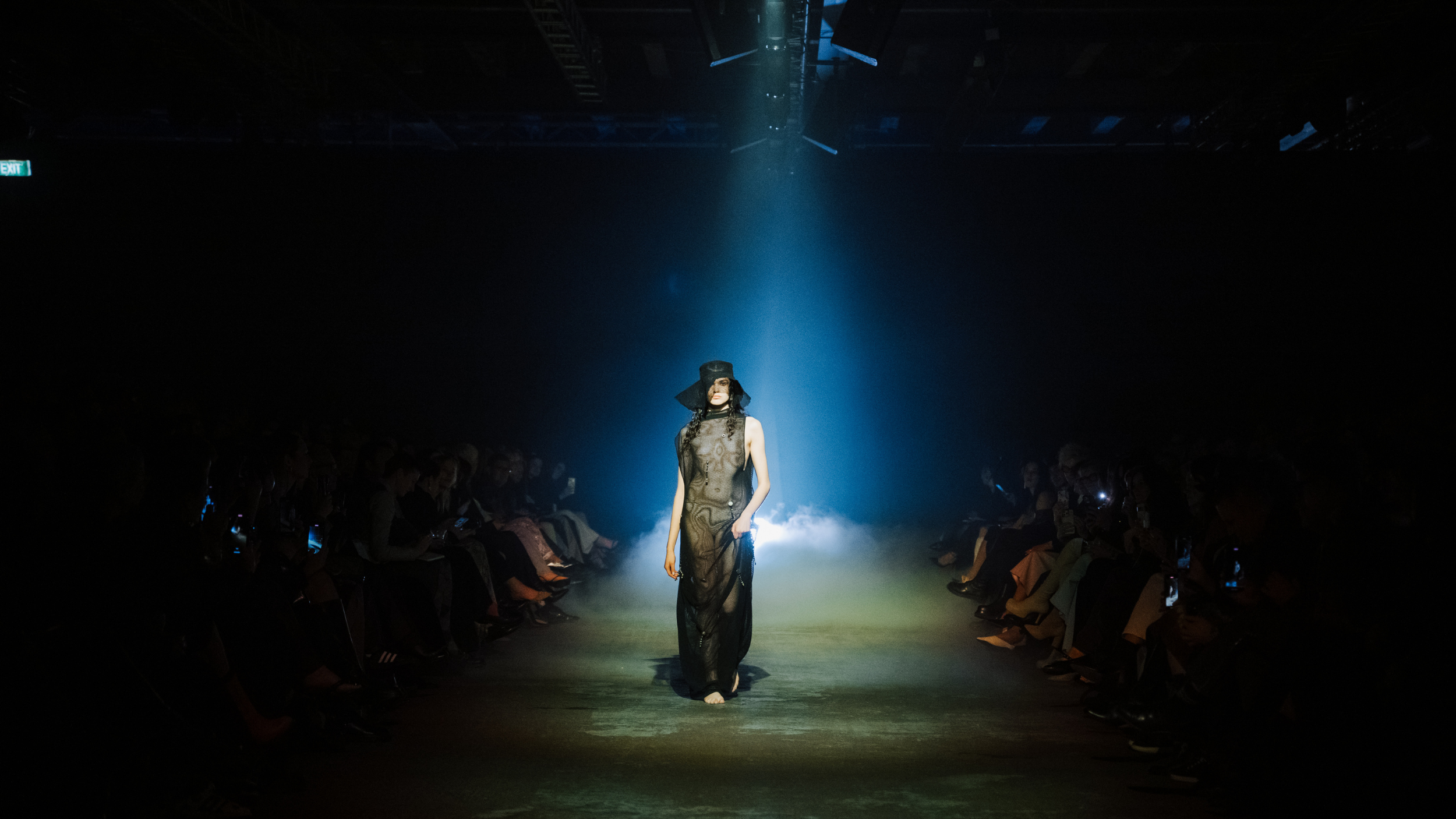
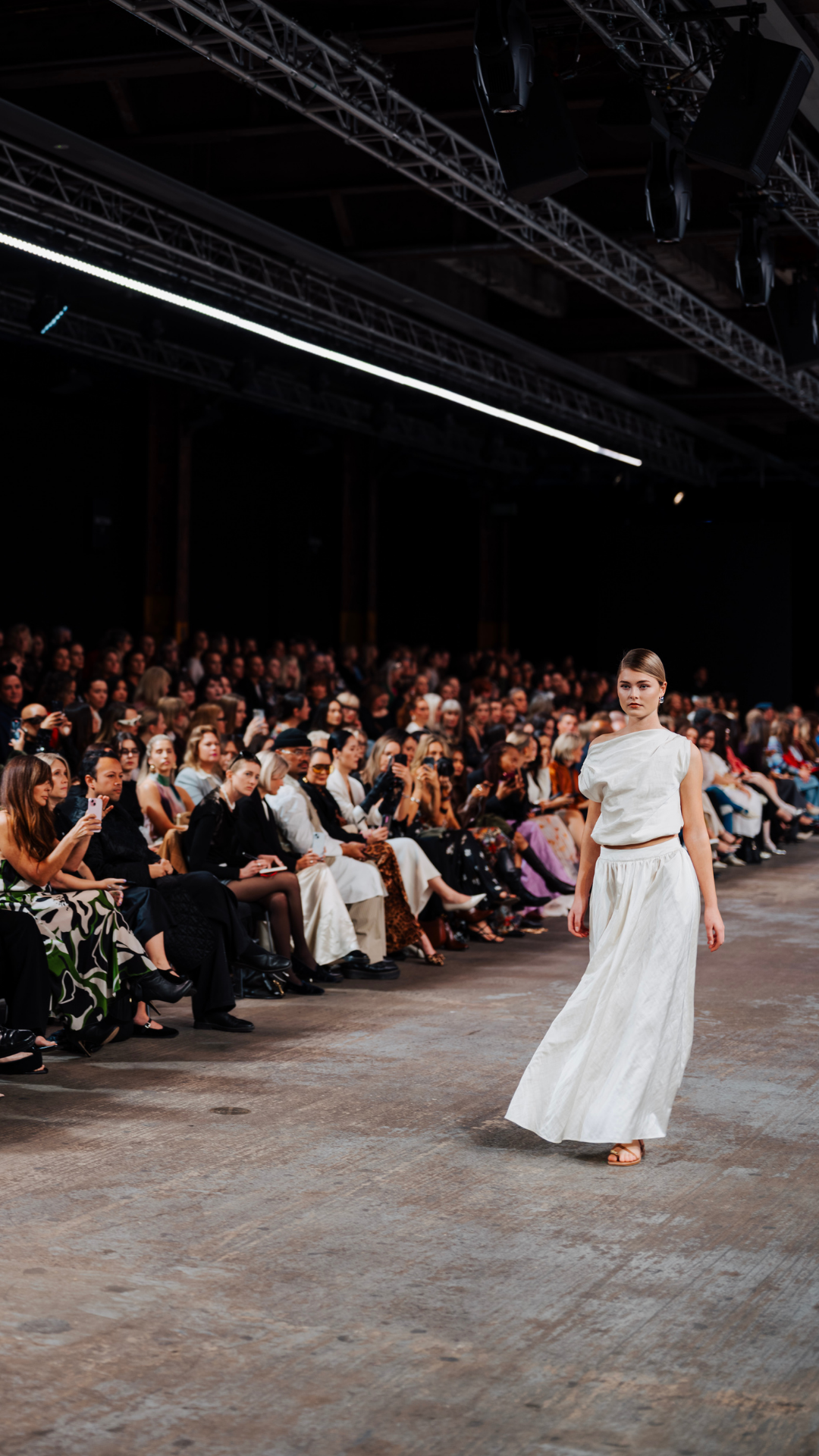
Founded in 2001 by Dame Pieter Stewart, New Zealand Fashion Week (NZFW) proudly forms the backbone of the New Zealand fashion industry, enabling local designers to promote and profile their brand, and sell both nationally and internationally. In 2021 the event was acquired by Aligroup Ltd (Feroz Ali).
The reimagining of NZFW prioritises responding to, empowering, and collaborating with the ever-changing and dynamic fashion landscape, working in collaboration with the industry to achieve great outcomes. A vital part of the event is the commitment to championing a circular fashion ecosystem in Aotearoa, with innovation and creativity at its forefront.
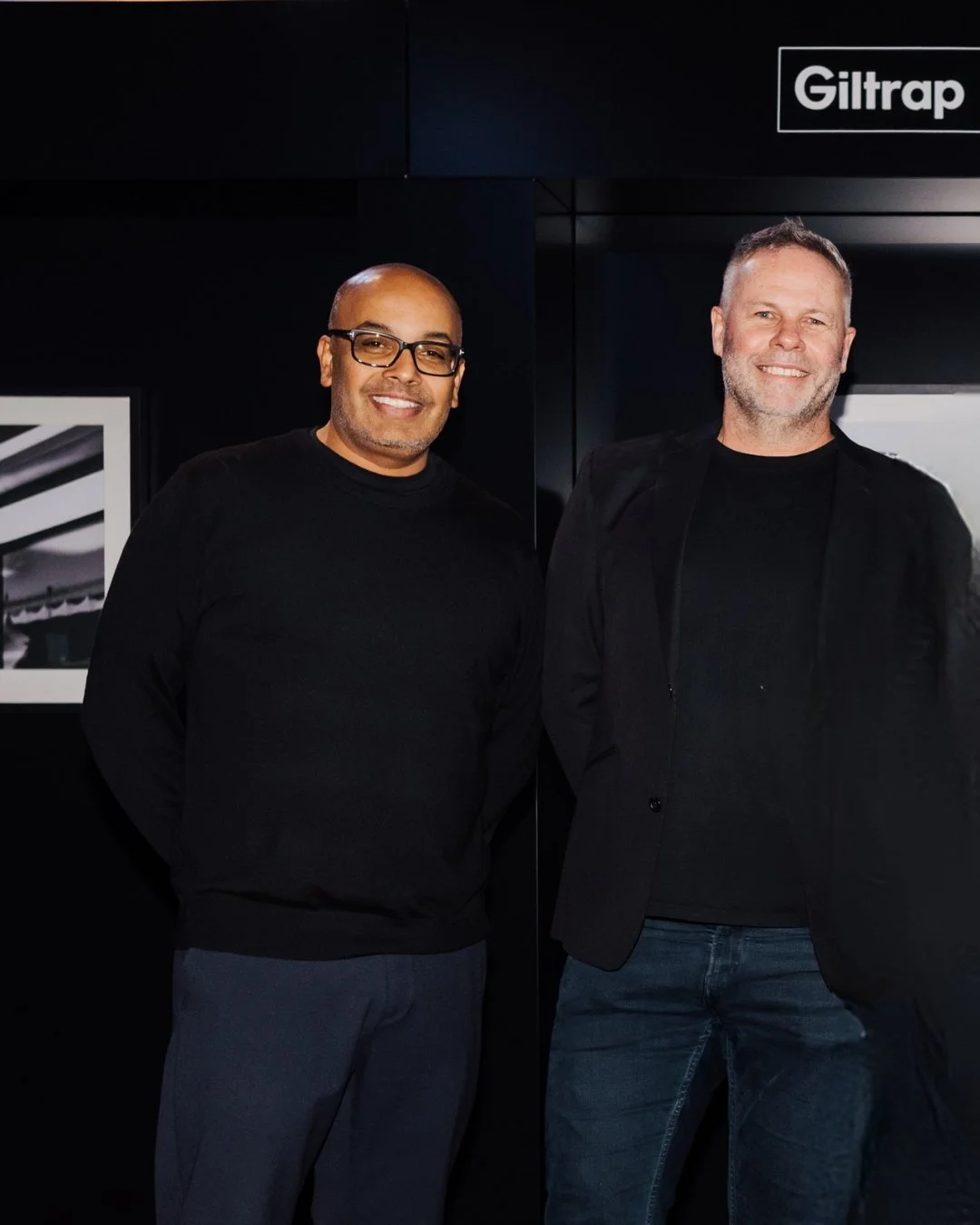
NZFW owner, Feroz Ali is a visionary entrepreneur and business leader with a deep commitment to the growth and evolution of New Zealand’s fashion and creative industries. As the owner of New Zealand Fashion Week (NZFW) and Whitecliffe Colleges globally, he is dedicated to fostering innovation, education, and industry connections.
Now in its 25th year as an iconic New Zealand event, the event is led by NZFW Executive Director, Liam Taylor; an industry expert that oversees a new direction and reinvigoration of the prestigious Aotearoa fashion event with the aim of maintaining relevance and adapting the event’s ability to allow a more inclusive and elastic format. The vision for 2026 is in keeping with International Fashion Week events that have adapted to new formats, allowing greater public access and a wider range of online and real-life activations.
Kahuria
In partnership with Ngāti Whātua Ōrākei, NZFW has been gifted the name Kahuria. Rooted in te reo Māori, 'kahu' means garment or cloak, and 'kahuria' means to adorn. It is a name that speaks directly to what NZFW does: enabling designers to share their work with the world.
Kahuria draws inspiration from Te Kahu Tōpuni o Tuperiri, a figurative term Ngāti Whātua Ōrākei uses to signify their tribal area of interest in central Tāmaki Makaurau. Named for Tuperiri, a revered ancestor of Ngāti Whātua Ōrākei, this narrative carries themes of beauty, innovation, and unity, values that sit at the heart of this event.
This gifted name marks the beginning of an official partnership between NZFW and Ngāti Whātua Ōrākei, who provide ongoing cultural guidance and support to ensure NZFW is built on a strong foundation of tikanga Māori. We are grateful for their generosity and continued partnership.
Sustainability
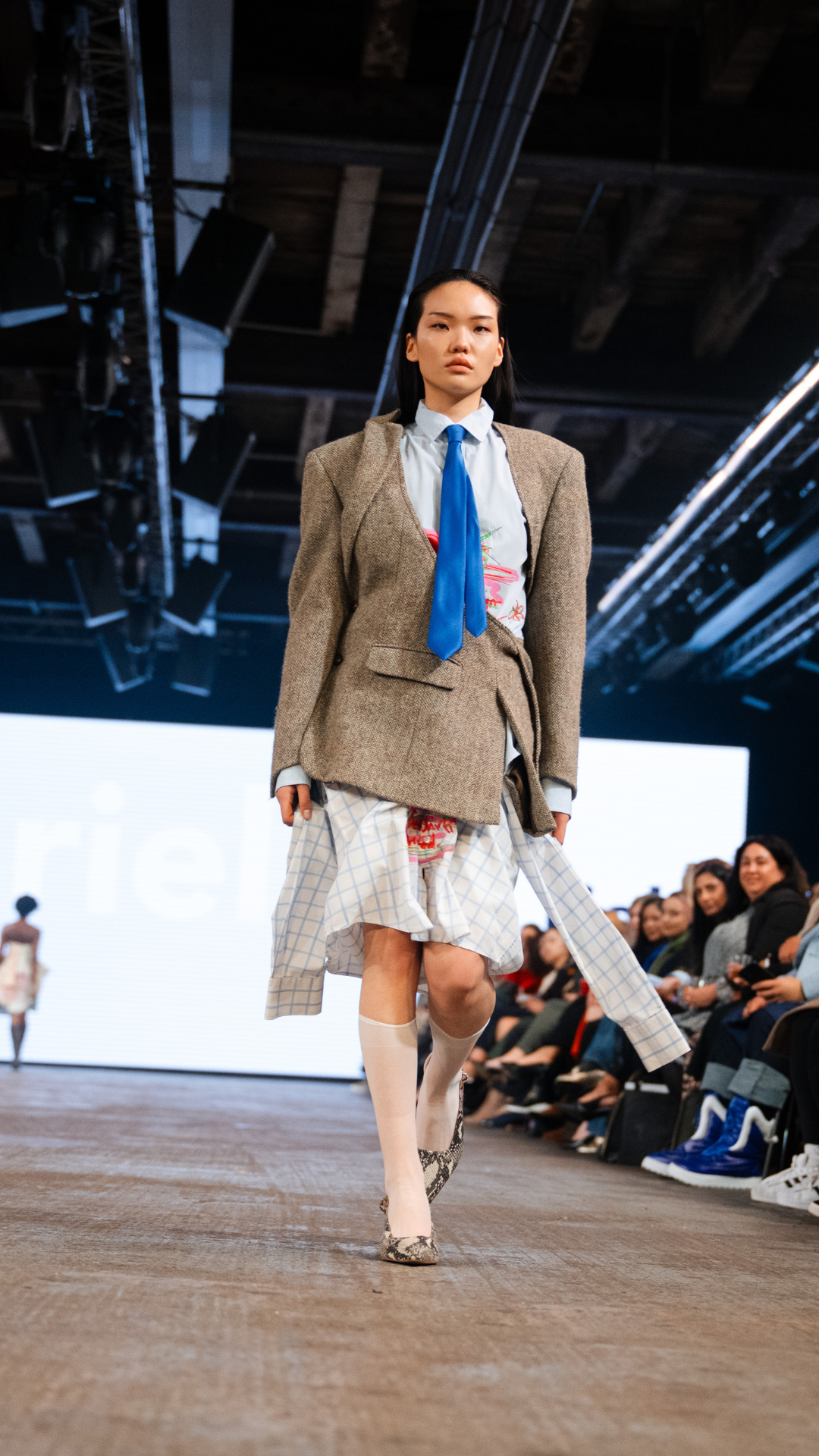
NZFW is aware of the fashion industry’s excessive environmental footprint on the planet, be it excessive and unnecessary waste going to landfill. With reducing emissions and circularity top of mind, NZFW is shifting its focus to include environmental stewardship in fashion. Which means we’re reshaping our operations in order to tread lightly but boldly, proving that creativity and sustainability can peacefully co-exist.